
Community as Infrastructure: Lessons from Venture Network
At Area 31, a clear insight emerged: growth today is driven by belonging, not just acquisition. During the Community Hacking session, founders and operators explored how ecosystems—not audiences—create sustainable scale. Borja Vega reframed Startup Grind as an identity space rather than an events platform. Eleanor Manley highlighted curated conversations as strategic assets. Liam Coyle positioned community as activation, not visibility. Daniela Roiz emphasized belonging as a business model. The takeaway: community is infrastructure. Trust compounds, rituals reinforce loyalty, and storytelling builds defensibility. For AImpacto Madrid Rotaract, impact scales when people feel ownership—community is not soft power, it is competitive advantage.
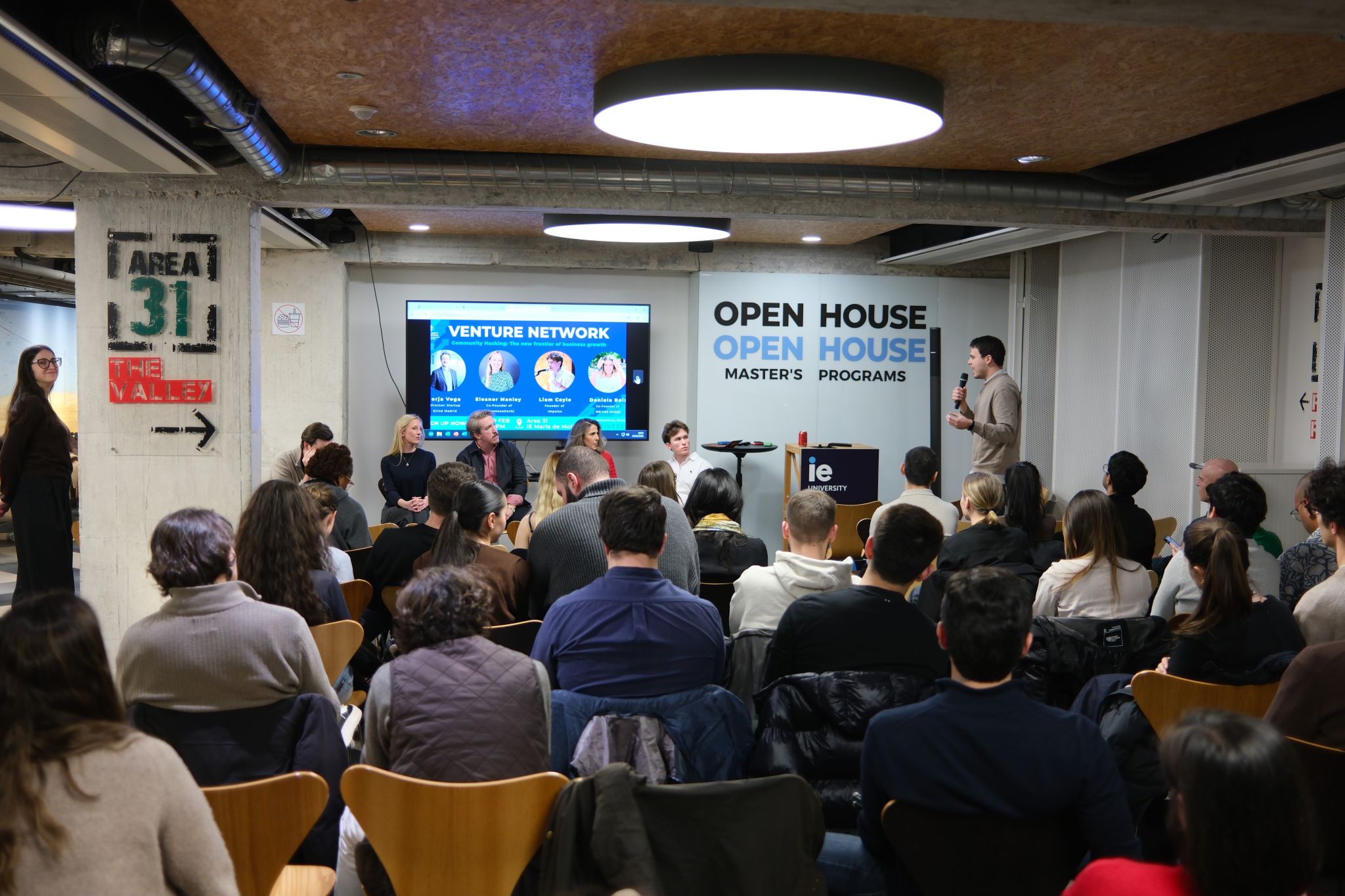
At Area 31, something subtle but powerful became clear: growth is no longer just about acquisition, it is about belonging. The Community Hacking session gathered founders and operators who are deliberately designing ecosystems rather than audiences.
Borja Vega spoke about scaling Startup Grind not as an events platform but as an identity space. Eleanor Manley highlighted how curated conversations become strategic assets. Liam Coyle reframed community as activation, not visibility. Daniela Roiz emphasized belonging as a business model.
The underlying insight was structural. Community is not a marketing channel. It is infrastructure. Trust compounds. Rituals reinforce loyalty. Storytelling creates defensibility.
Our participation focused on engaging with builders who understand that distribution now travels through human networks rather than paid funnels. For AImpacto Madrid Rotaract, the takeaway is clear: impact scales when people feel ownership. Community is not soft power. It is competitive advantage.